Unit–1
Atmosphere:
Layers of Earth,Air, Water,
Life on Earth,
greenhouse gas phenomena,
carbon cycle,
airborne contaminants,
Light pollution,
noise pollution.
Extreme weather conditions and effect on occupations
Layers of Earth:-Layers of Earth-Video


In Depth:Theory
Layers Of Air:


Layers of Earth:-Layers of Earth-Video

In Depth:Theory
Layers Of Air:


How Depth Ocean is:


Origin of Life:How Life Started on Earth By Nova
Story of Earth-National Geographic Channel
Greenhouse gas phenomena:


Nat Geo
How do Green House Gasses Actually Work:
Carbon cycle:

Carbon Cycle; 3D
What is Carbon Cycle:
Air Borne Contaminants:


Air Borne Contaminants-Lung cancer
Light pollution:UK Sky Glow Website


Where Are the Stars? See How Light Pollution Affects Night Skies
Light Pollution Is More Dangerous Than You Think!
Noise Pollution:


How to Reduce Noise Pollution?
We can Reduce Noise pollution by turning off appliances when not in use, use of earplugs, lowering the volume, planting more trees, regular maintenance of vehicles and machines etc. By controlling noise we can control negative health effects that noise pollution has on everyone.
What is Noise?
Noise is unwanted sound. A sound which has unpleasant effects and discomfort to ears is called as noise. Generally sound generated by vehicles, horns, loudspeakers, planes, construction etc. are reasons of noise pollution.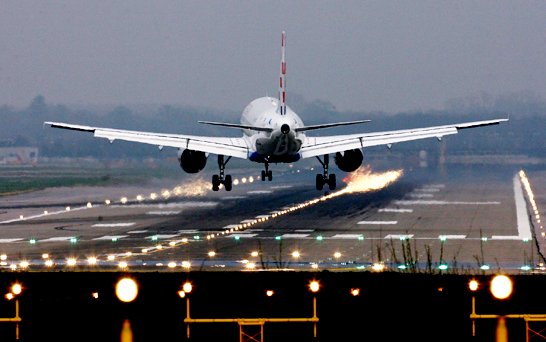
It is measured in decibel (dB). Normally noise which is less than 115 dB is tolerable (for shorter period).
Noise pollution is also considered as environmental pollution although it is not as harmful as air, water or soil pollution but effects of noise pollution for longer period can be sever.
How to Reduce Noise Pollution?
We can reduce noise Pollution by following below mentioned Tips:
Turn off Appliances at Home and offices
We can turn off home and office appliances when not in use such as TV, games, computers etc. it can create unnecessary stress on ears. We can save electricity also when we turn them off.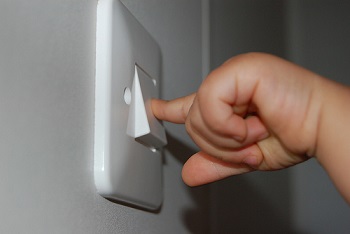
Shut the Door when using noisy Machines
We can shut the door after we turn on dishwashers or washing machines for rooms where it is kept or we can turn them on before leaving house so that overlapping of exposure to loud noises can be reduced
Use Earplugs
Use of earplugs or earmuffs can bring down loud noises to manageable level. Earplugs are small inserts that fit into out ear canal. And earmuffs fit over the entire outer ear to form an air seal keeping ears safe from loud noises.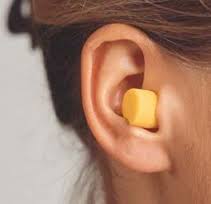
Lower the volume
We can listen songs, radios, TVs in lower volume when listening from headphones or speakers.
Stay away from Noisy area
Noise producing industries, airports, vehicles should be far from residential areas as it very dangerous for infants and senior citizens.
Follow the Limits of Noise level
Community law should check use of loudspeakers, outdoor parties as well as political public announcements.
Control Noise level near sensitive areas
There should be control on noise level (Silent zones) near schools, hospitals. Place noise limits boards near sensitive areas.
Go Green by planning trees
We can plant more trees as they are good noise absorbents. According to studies it can reduce noise by 5 to 10 decibels Db around them.
Create Healthy noise to eliminate unwanted noise
If we can’t eliminate unwanted noise coming from outside then we can create healthier noise such as music, singing birds or waterfalls in homes or offices.
Use Noise absorbents in noisy machinery
We can check for machinery which are creating noise due to vibrations and put some noise absorbents to reduce noise.
Use Proper Lubrication and Better maintenance
We can use proper lubrication as well as better maintenance of machines to reduce noise pollution and improve efficiency. It reduces friction between movable parts and helps to reduce noise.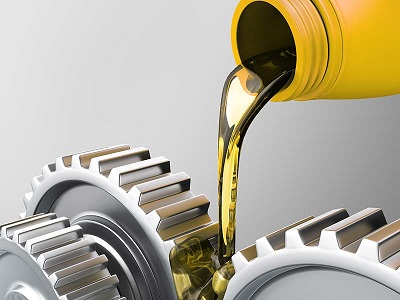
Notify Authorities about Disobedience of Noise Rules
We can notify to government agencies if someone is not following rules and regulation regarding noise levels.
Regularly check noise levels
Regularly checking noise level in industrial complex and indoor to keep noise level within limit.
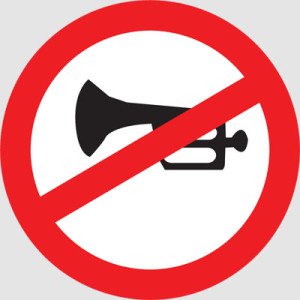
It is necessary to control noises created around us. It is necessary to aware people around us through various mediums. We can start from ourselves to spread awareness about noise pollution and its effects on human and environment. Limit for noise at daytime is 55 dB and in night it is 30 dB to avoid health effects.
What are effects of Noise Pollution?
- Constant exposure to loud noises can damage ear drums and loss of hearing. It also reduces sensitivity of ear drums to pick up small sounds.
- It can affect health and shows signs of aggressive behavior, sleep disturbance, increase in stress level, fatigue
- It can create hamper sleeping pattern (it is recommended to take sound sleep and not noise sleep :p)
- It can increase blood pressure, heart beat, headache
- It affects not only on humans but also on pets. They can behave more aggressively if exposed to loud noises for longer duration
- Interference or disturbance in conversions and it can create misunderstanding
Extreme weather conditions and effect on occupations
How did climate change affect that extreme weather event?
THE IMPACT OF CLIMATE CHANGE ON OCCUPATIONAL HEALTH
The impact of climate change on agriculture is often discussed in relation to environmental health. It threatens “global food security, sustainable development, and poverty eradication,” according to the Food and Agriculture Organization of the United Nations (FAO).
Factors like loss of farmland and changes in water availability could yield a decline in both the quality and quantity of crops. Droughts and floods could become more regular and erratic as global temperatures rise, making it difficult for farmers to plant and harvest crops. Extreme weather events are already taking a toll on agricultural land around the world. Rural men and women whose livelihoods depend on the availability and accessibility of natural resources are especially vulnerable. Many of the 3 billion people who live in rural regions of developing countries rely on agriculture. Climate change threatens their food supply and their income.
However, the vulnerability of rural farmers extends beyond environmental concerns. Their health is also at risk. Climate change is likely to impact both the frequency and severity of human health issues, according to “An Overview of Occupational Risks from Climate Change,” an article by faculty members of the Master of Public Health program at The George Washington University. The paper also notes that changes in climate will likely intensify health and safety issues for both indoor and outdoor workers in a wide range of professions. Agricultural workers, including farmers, represent some of the most vulnerable populations to these new risks. Increased heat exposure, which can lead to heat stroke, heat exhaustion, and even death, poses a particularly great threat to these workers. They also face greater exposure to ozone and vector-borne diseases. Extreme rain events and flooding could also increase susceptibility to infectious diseases and enteric infections, which are typically transmitted through contaminated food or water.

Comments
Post a Comment